Multi-pollutant air quality monitoring in Riga, Latvia
Year
2026
Location
RIGA - LATVIA
Sector(s)
Smart Cities


Issues
As part of its 2026–2030 action programme to improve air quality, the City of Riga aims to strengthen its understanding of pollution levels across different urban environments. Despite the progress already made, data collected between 2020 and 2024 reveal persistent concerns regarding several pollutants, particularly nitrogen dioxide (NO₂) and PM₁₀ particulate matter. The introduction of European Directive (EU) 2024/2881 also establishes stricter limit values, which the city aims to comply with from 1 January 2030. Air pollutant emissions in Riga originate from multiple sources, including road traffic and public transport, port activities, individual heating systems, heating installations and industrial activities. In this context, the city needed continuous local data to better understand variations in air quality across different urban areas and to complement the information already provided by regulatory monitoring stations, emission inventories and modelling.
SOLUTION
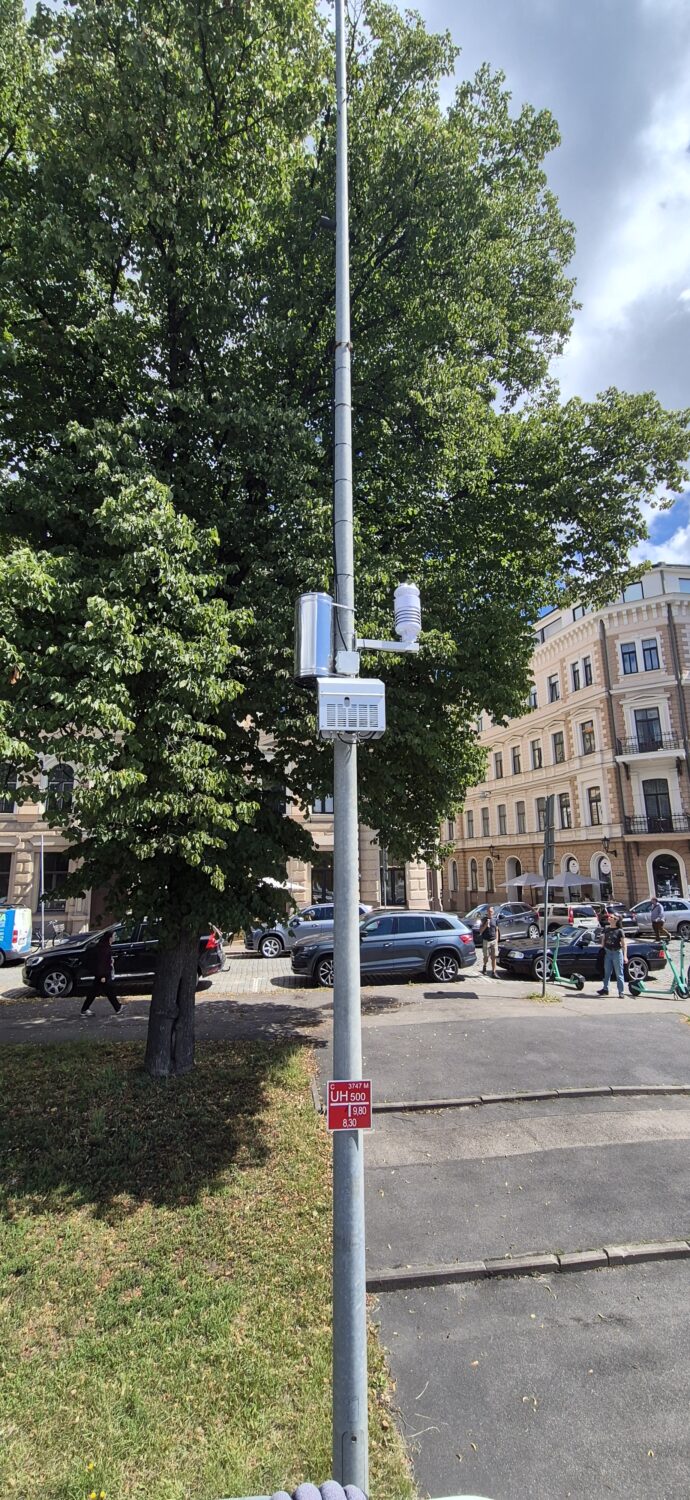
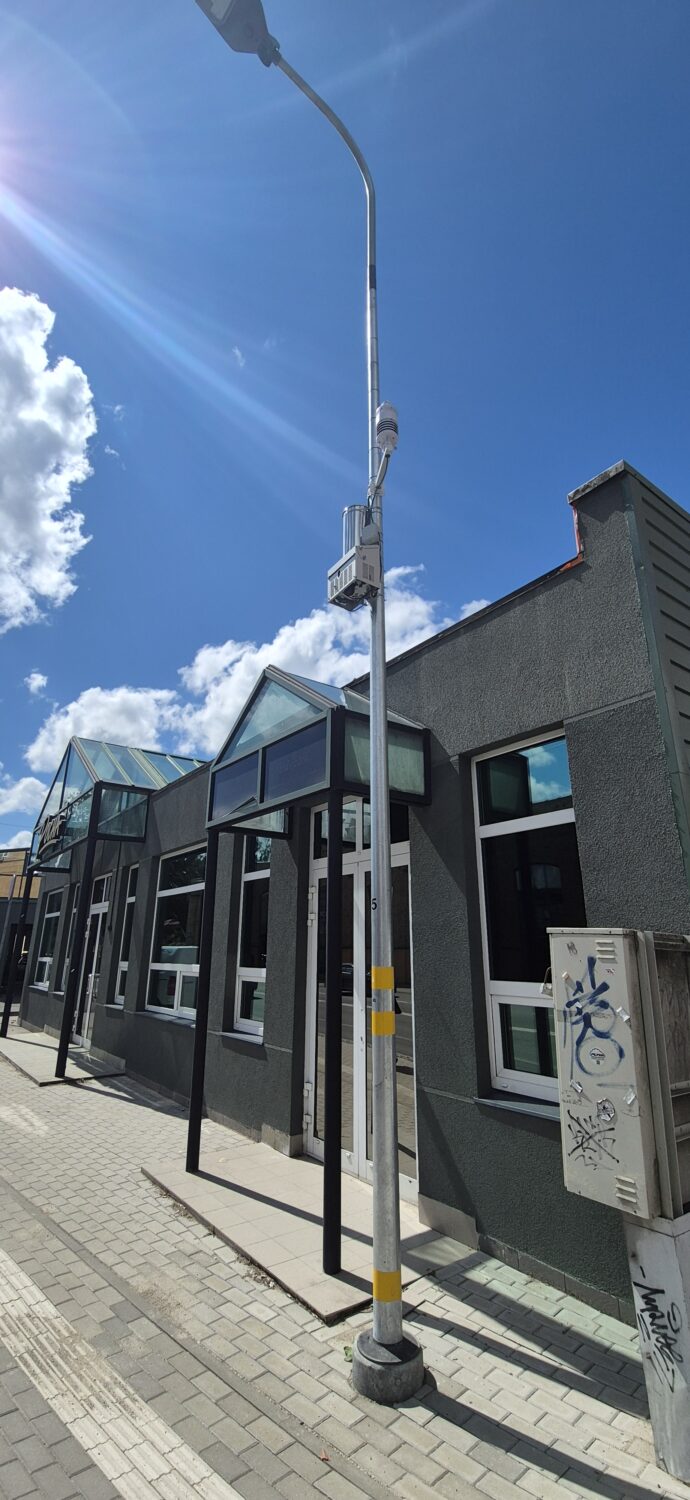
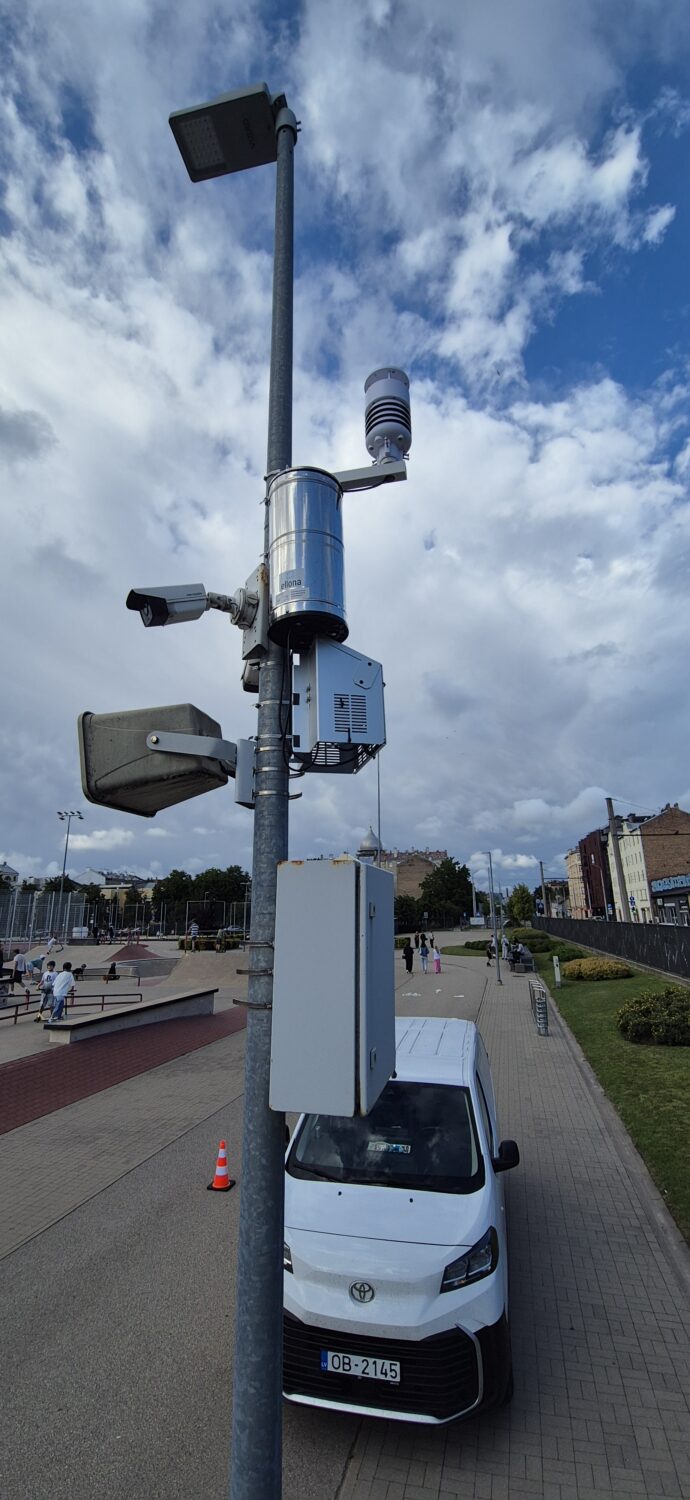
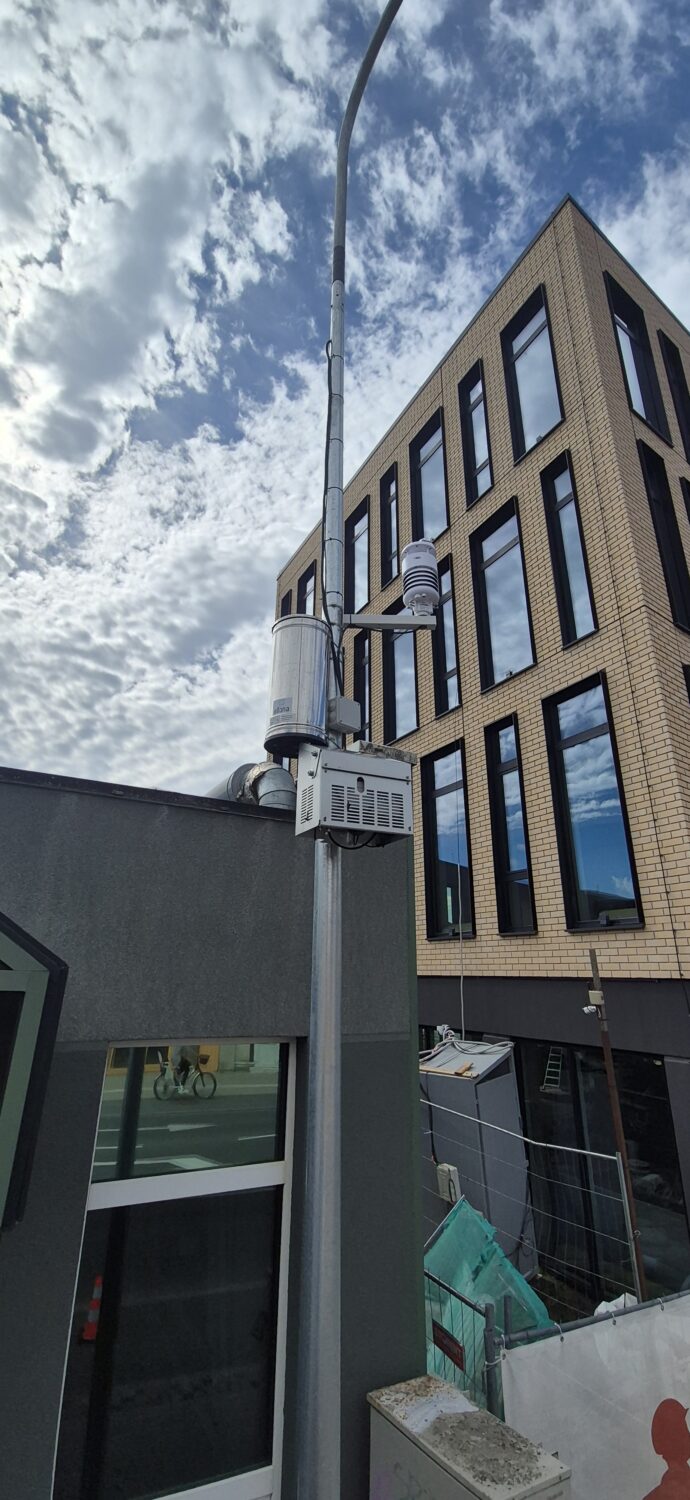
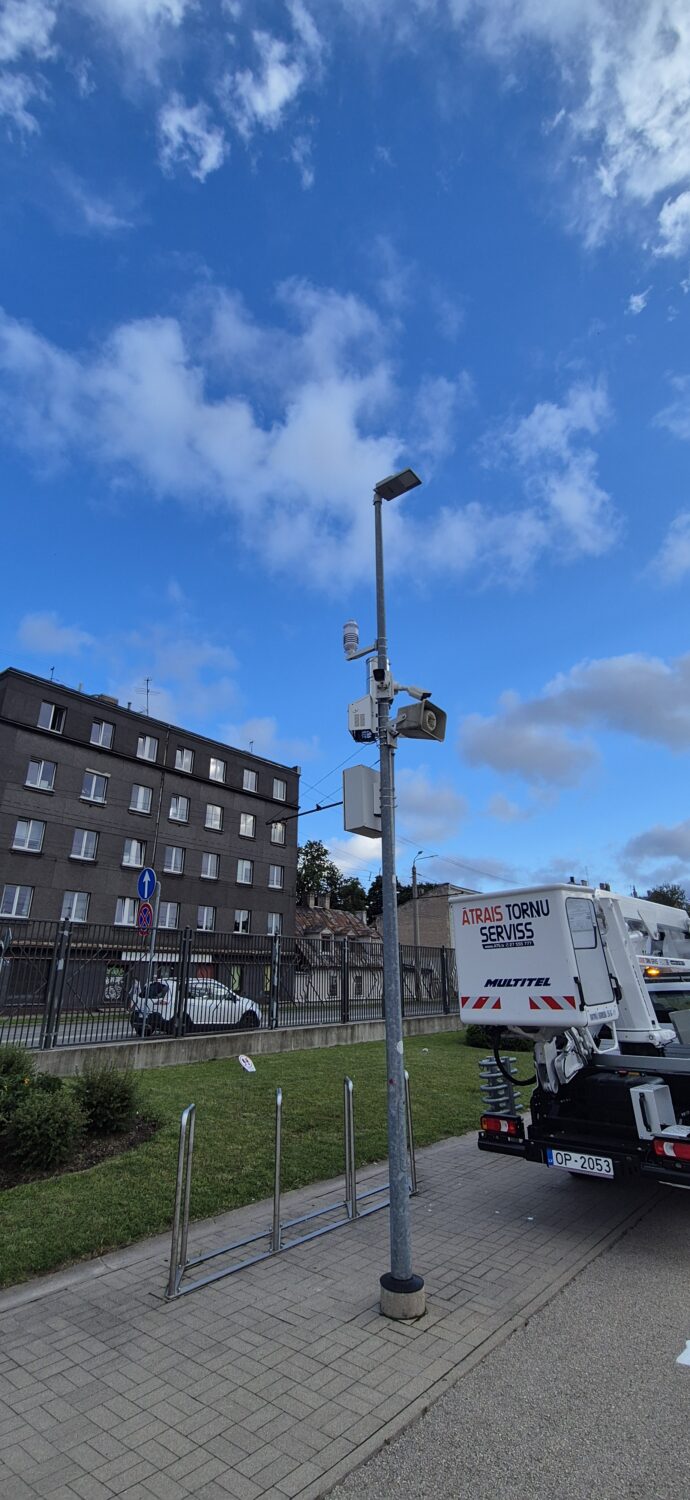
A complementary network of four Ellona WT1 Pro stations has been deployed across different areas of Riga. Installed on existing urban infrastructure, the stations continuously monitor a range of local environments.
Each WT1 Pro provides multi-pollutant monitoring of:
- PM₁, PM₂.₅ and PM₁₀ particulate matter;
- nitrogen dioxide (NO₂);
- sulphur dioxide (SO₂);
- local meteorological conditions.
The data are transmitted and centralised to generate continuous time series. Meteorological information provides context for the variations observed and facilitates comparisons between different areas of the city.
The project brings together ELLE – Estonian, Latvian & Lithuanian Environment –, the Riga Digital Agency and Ellona. This collaboration combines environmental expertise, municipal digital infrastructure and continuous monitoring technology.
EXPECTED BENEFITS
The deployment of four WT1 Pro stations will provide Riga with a more detailed, continuous and localised view of urban air quality. Their installation across different areas of the city will help to:
- monitor multiple pollutants simultaneously, including PM₁, PM₂.₅, PM₁₀, NO₂ and SO₂;
- generate continuous data to observe variations throughout the day and over time;
- extend geographical coverage through four complementary monitoring locations across different urban environments;
- highlight local disparities that may be less visible when relying solely on regulatory monitoring stations;
- correlate measured concentrations with local meteorological conditions to better interpret observed pollution episodes;
- compare trends between sites and better understand the influence of traffic, heating systems and industrial activities;
- centralise data as continuous time series to facilitate monitoring, analysis and use;
- complement regulatory monitoring stations, emission inventories and existing models, without replacing them;
- track changes in air quality over time and contribute to the assessment of the actions implemented by Riga as part of its 2026–2030 programme.
With their ability to provide continuous, multi-pollutant monitoring contextualised by local meteorological conditions, the WT1 Pro stations will help Riga move from a broad overview of pollution to a more detailed understanding of local conditions. The data generated will support environmental analyses and inform the city’s future decisions.