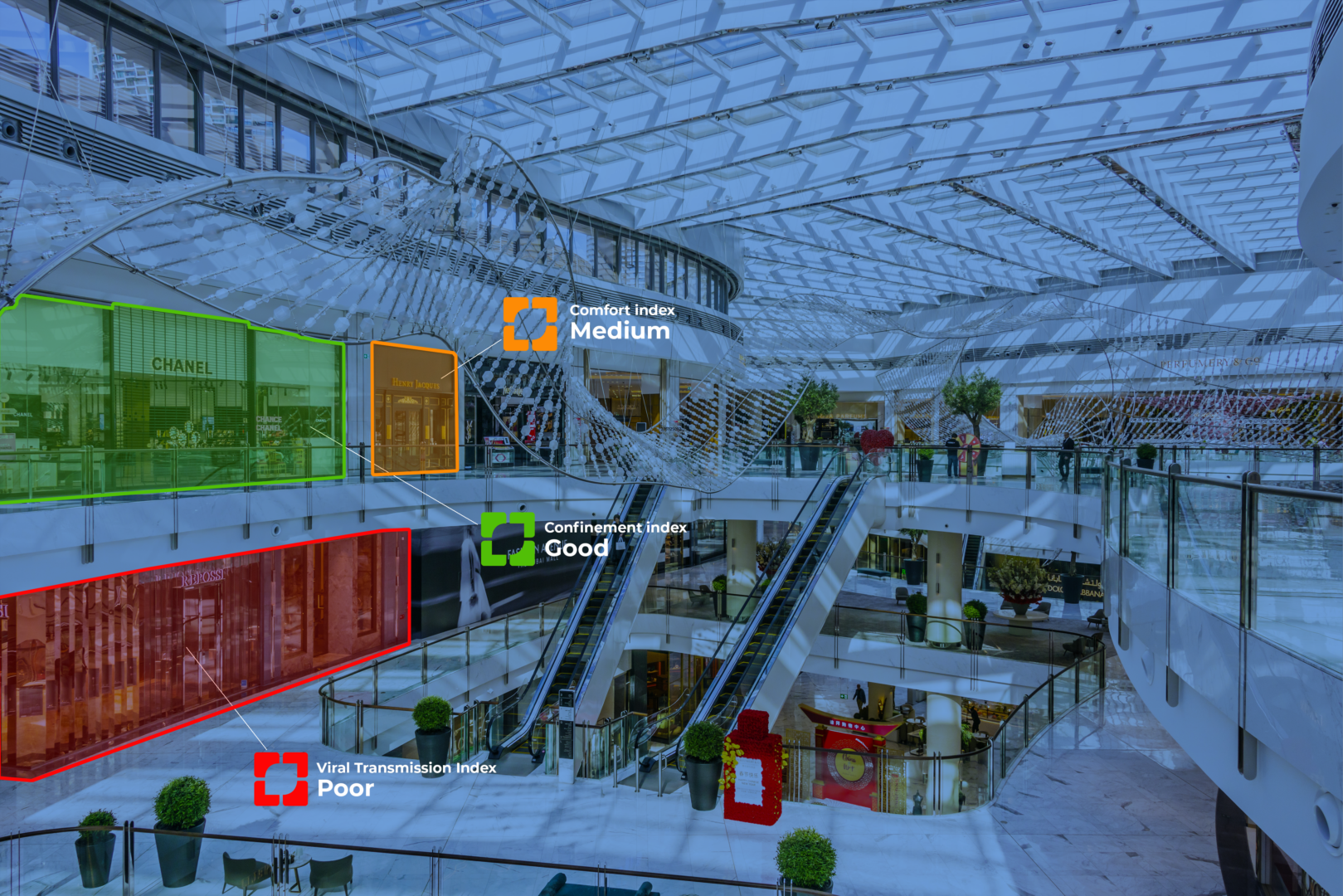
Establishments and public venues, such as schools, hospitals, offices, and shopping centers, face a range of complex atmospheric emissions:
- Cleaning products: Essential for maintaining cleanliness, these often contain volatile organic compounds (VOCs) and other chemicals that are released into the air during use, contributing to indoor pollution.
- Office equipment: Devices like printers, copiers, and electronics emit fine particles and VOCs during operation, which can degrade air quality and affect occupant health.
- Heating, Ventilation, and Air Conditioning (HVAC) systems: Crucial for regulating indoor climate and air quality, these systems can also emit gases such as carbon dioxide (CO2), carbon monoxide (CO), and nitrogen oxides (NOx) if not properly maintained.
- Healthcare chemicals: Healthcare facilities use various chemicals, including disinfectants, sterilizers, and pharmaceuticals, which can release harmful substances into the air.
- Construction and renovation materials: Materials like paints, adhesives, flooring, and insulation can emit VOCs and other chemicals both during and after installation, potentially affecting indoor air quality over time.
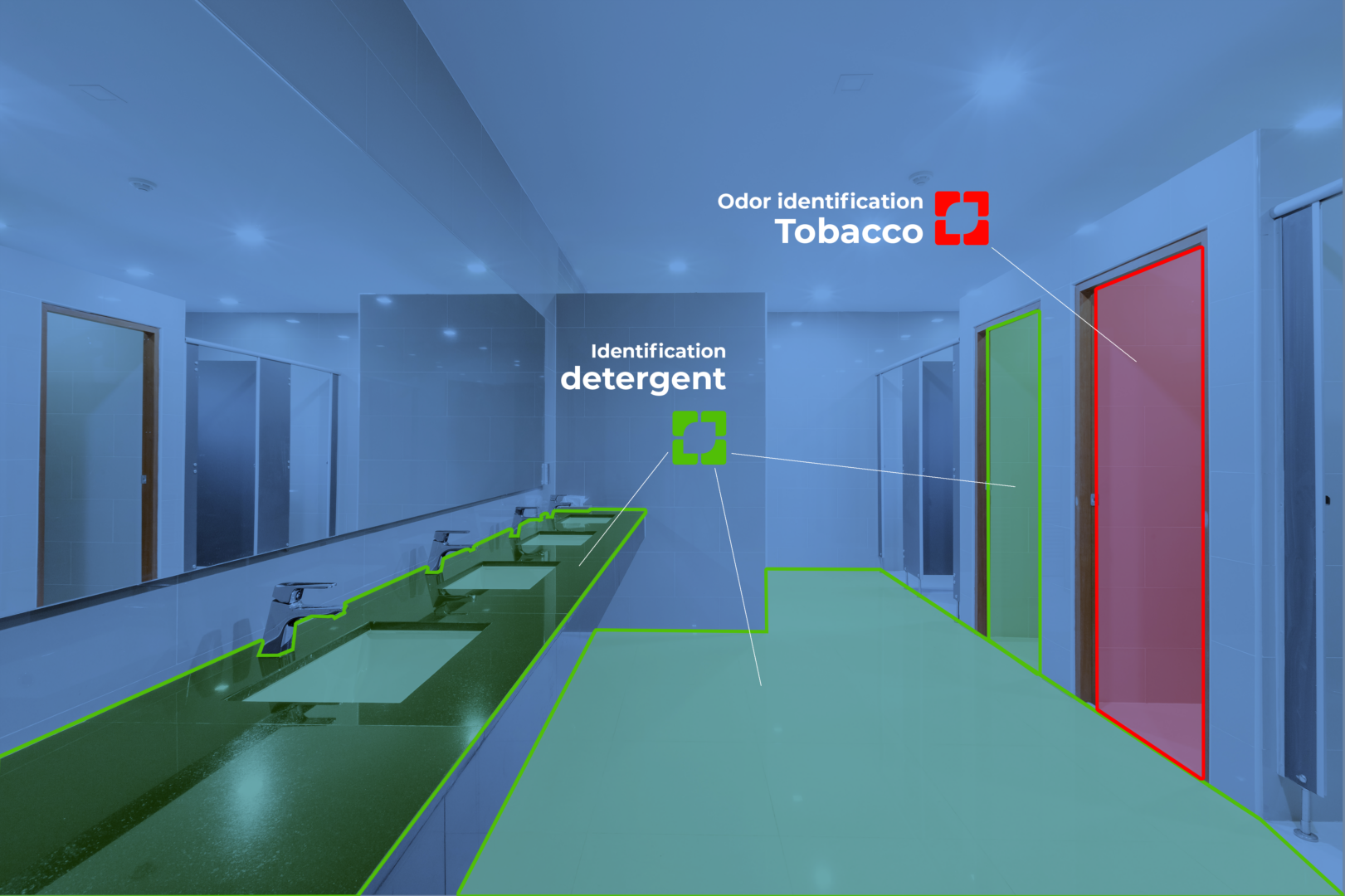
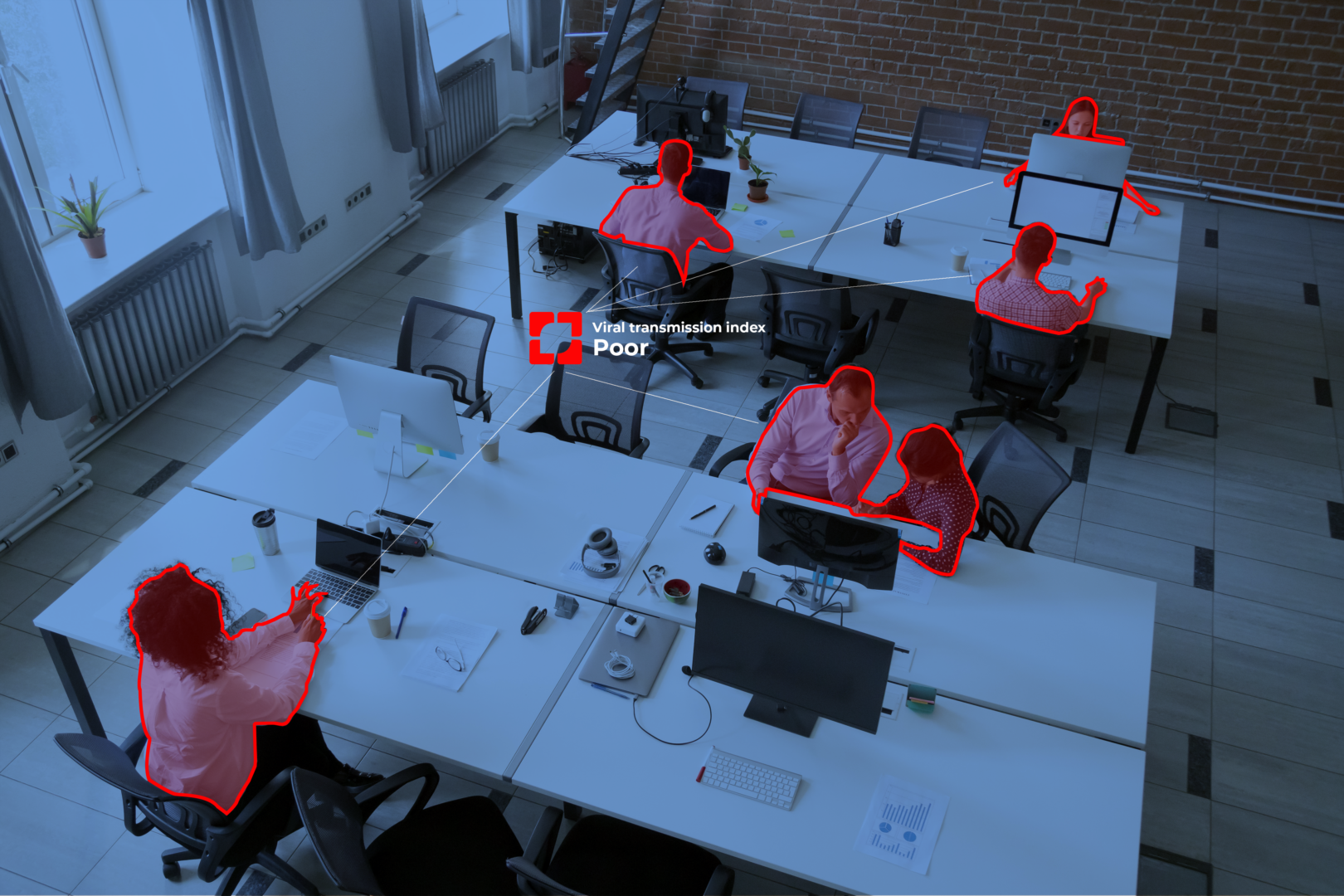
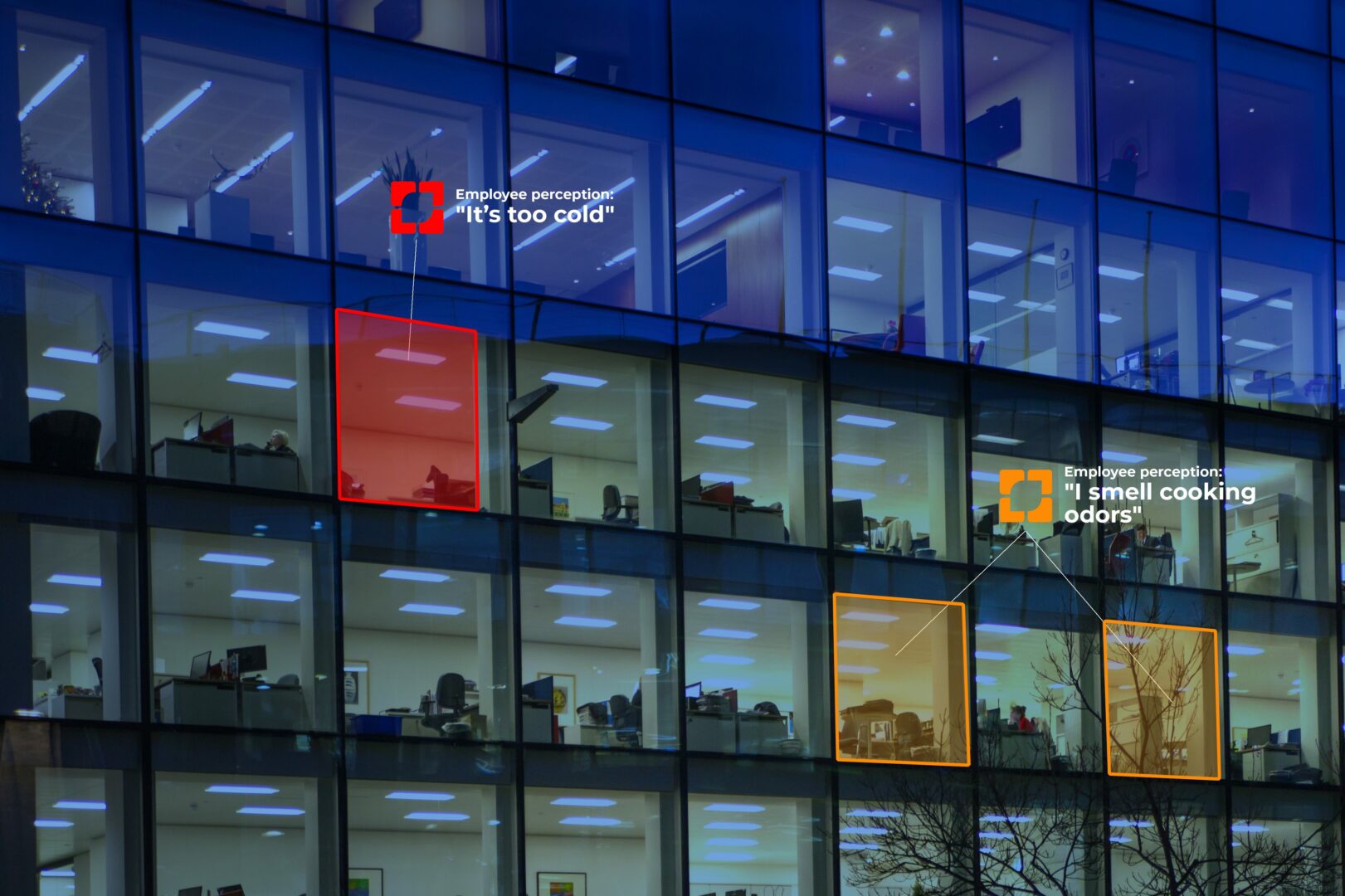
- Airborne pathogens and odors: Alongside chemical pollutants, establishments must also manage airborne pathogens and odors, which can signal underlying issues with hygiene or ventilation.
Effective management of these emission sources is vital for maintaining a safe, healthy indoor environment. At Ellona, we are dedicated to identifying, quantifying, and managing these emissions, ensuring that all types of establishments remain welcoming, healthy, and productive spaces.
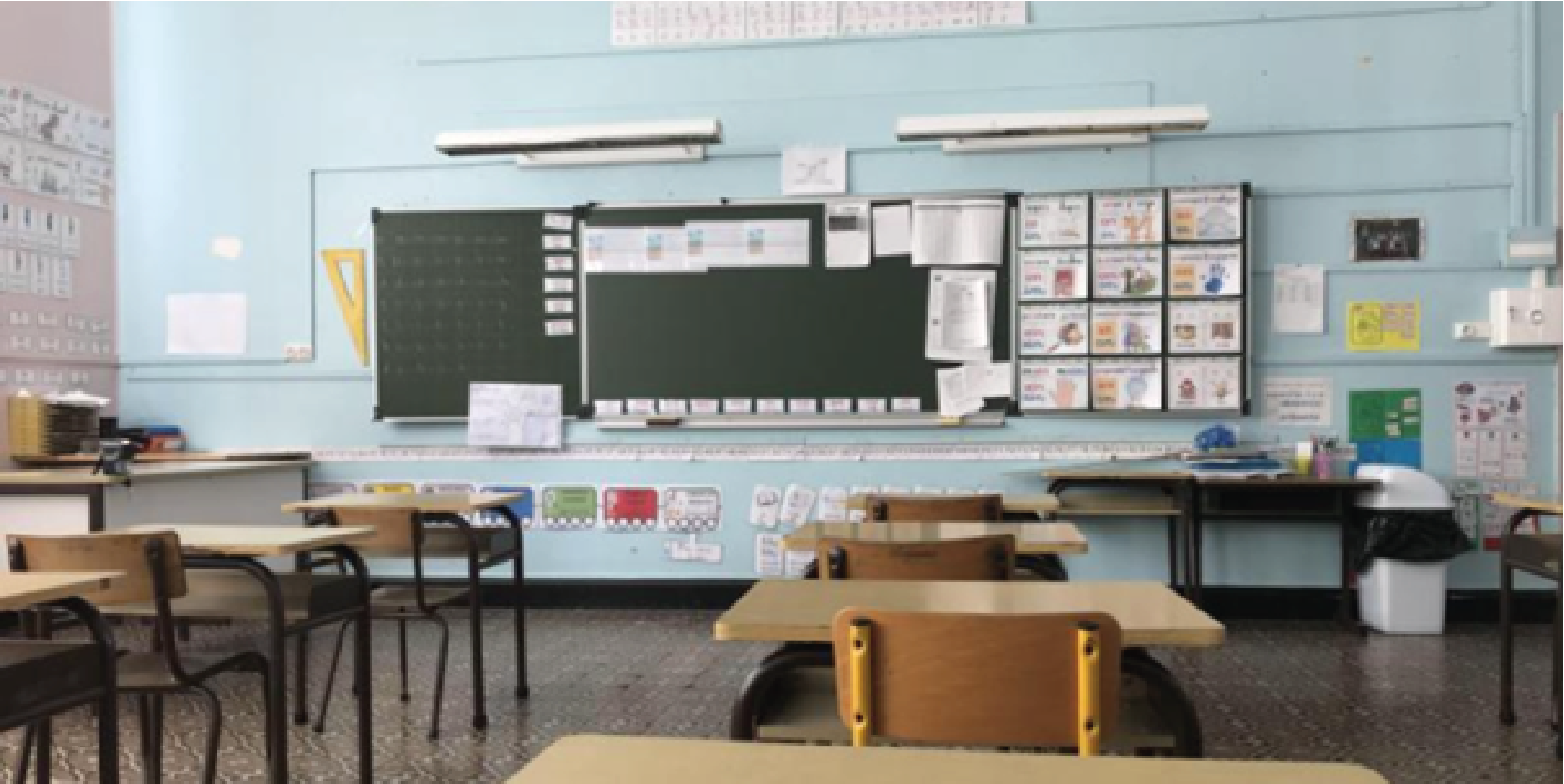
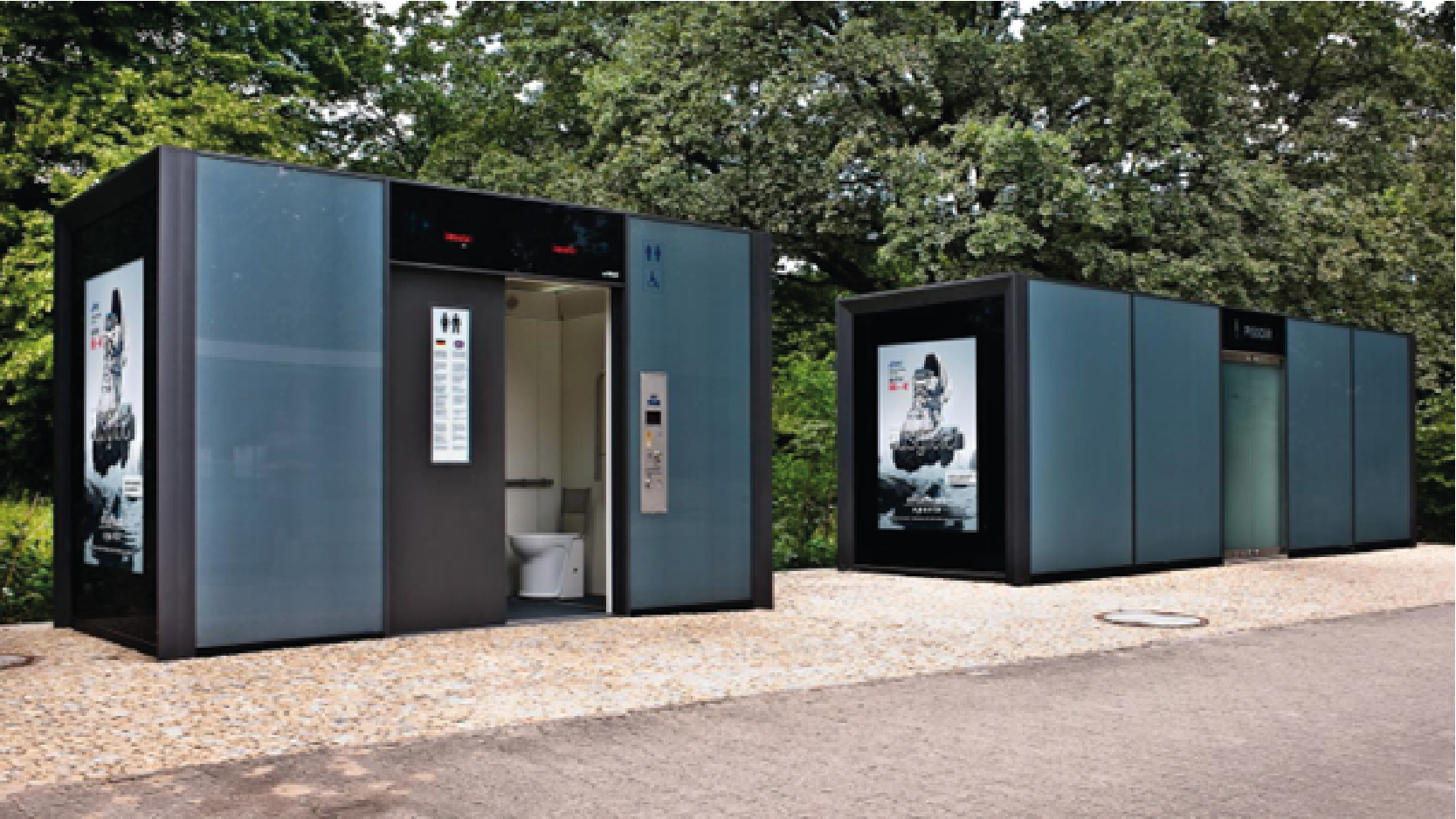
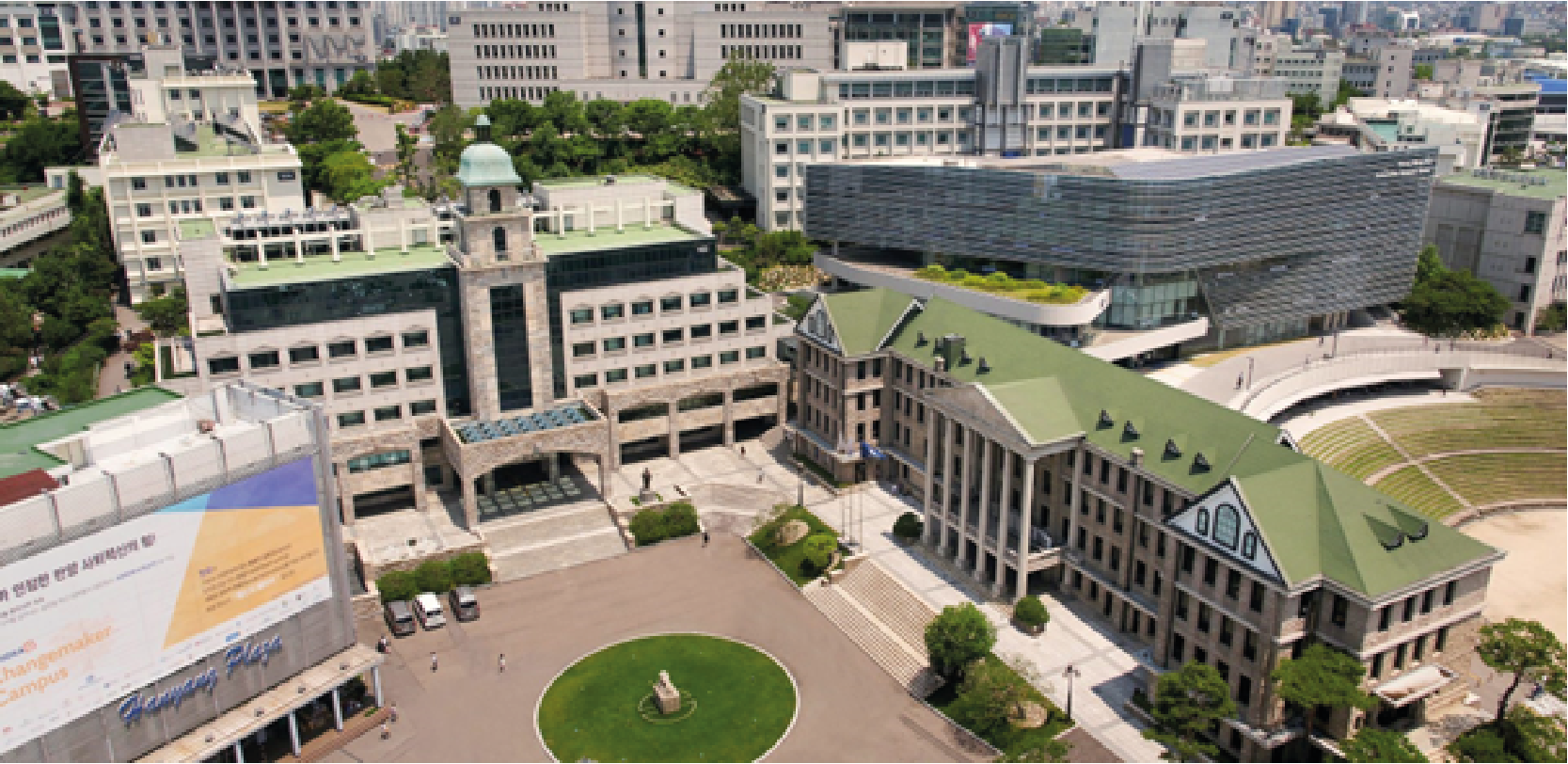
They trust us: see our deployments for a school in northern France, public buildings in Taiwan and JCDecaux public toilets.
Further reading: read our articles on improving air quality in schools, funding air quality projects with ADEME and the dangers of poor indoor air quality.
Complete guide: CO2, VOCs, particles, odors and noise explained in our indoor air quality guide.